
Introduction to Business Intelligence: Turning Data into Smarter Decisions
In today’s fast-moving business world, data is everywhere. From sales transactions to customer feedback, organizations generate huge amounts of information every day. But data alone is not useful unless it’s transformed into insights. This is where Business Intelligence (BI) comes in.

What is Business Intelligence?
Business Intelligence (BI) is the process of collecting, analyzing, and visualizing data to help organizations make better, fact-based decisions.
Think of BI as a bridge between raw data and business action. With BI tools, leaders can quickly answer questions like:
Which products are selling the most?
Where are we losing customers?
How can we improve efficiency?
What market trends should we prepare for?
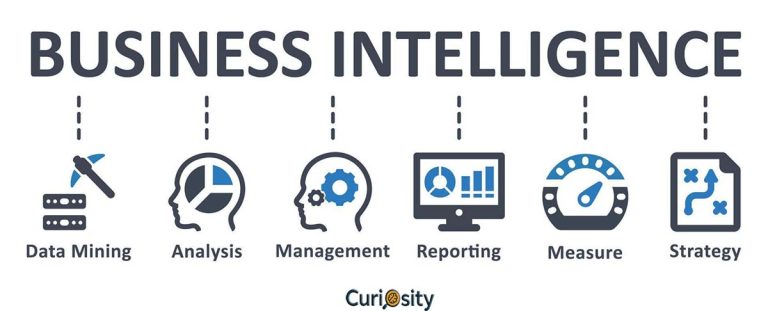
What is Business Intelligence?
Business Intelligence (BI) is the process of collecting, analyzing, and visualizing data to help organizations make better, fact-based decisions.
Think of BI as a bridge between raw data and business action. With BI tools, leaders can quickly answer questions like:
Which products are selling the most?
Where are we losing customers?
How can we improve efficiency?
What market trends should we prepare for?
Key Components of Business Intelligence
Data Collection – Gathering data from sources like sales, HR, finance, and marketing.
Data Warehousing – Storing data in a centralized location for analysis.
Data Analysis – Using techniques like reporting, data mining, and dashboards.
Data Visualization – Presenting insights with charts, graphs, and interactive dashboards.
Popular BI Tools
Power BI (Microsoft)
Tableau (Salesforce)
QlikView / Qlik Sense
Looker (Google Cloud)
SAP BusinessObjects
These tools make it easier for non-technical users to explore data and uncover insights.
Real-Life Applications of BI
Retail: Analyzing purchase trends to stock the right products.
Finance: Detecting fraud and predicting cash flow.
Healthcare: Monitoring patient outcomes and hospital performance.
HR: Tracking workforce performance and employee engagement.
Supply Chain: Optimizing inventory and delivery routes.
The Future of Business Intelligence
BI is evolving rapidly with Artificial Intelligence (AI), Machine Learning (ML), and Predictive Analytics. The future is not just about describing what happened but also predicting what will happen and recommending what to do next.
Self-service BI is also growing—allowing employees at all levels to make decisions based on data without waiting for technical teams.
Final Thoughts
Business Intelligence is no longer a “nice-to-have”; it’s a must-have capability for organizations that want to stay competitive. By transforming raw data into meaningful insights, BI empowers businesses to move faster, serve customers better, and grow smarter.
In short: Business Intelligence is the key to turning data into real business value.